
Michigan's Do Not Call Laws are often misinterpreted. Key insights: National Registry isn't foolproof; state laws vary. Register with Michigan and federal lists, log calls, dispute unwanted calls. Educate yourself about exemptions and enforcement powers for robust protection against telemarketing intrusions.
In today’s digital age, understanding consumer rights regarding telemarketing calls is more crucial than ever. The Do Not Call Laws in Michigan aim to protect residents from unwanted sales pitches, but misconceptions persist. Many consumers are unaware of the nuances and eligibility criteria, leading to frustration and a lack of protection. This article aims to dispel common myths surrounding the registration process for the Do Not Call list in Michigan, empowering individuals with accurate knowledge and ensuring they can exercise their rights effectively. By the end, readers will have a clear understanding of how to navigate these laws and safeguard their privacy.
Understanding Michigan's Do Not Call Laws: A Foundation

Michigan’s Do Not Call Laws are designed to protect residents from unwanted telemarketing calls, but they’re often misunderstood. This can lead to confusion about what is permissible and how to register effectively. A fundamental misunderstanding arises from believing that signing up for the National Do Not Call Registry automatically grants complete protection against all telemarketers. In reality, Michigan’s Do Not Call Laws have specific provisions and limitations. For instance, while federal laws prohibit calls to numbers on the National Registry within 31 days, Michigan law allows certain types of calls, including those from financial institutions, health care providers, or organizations with which you’ve had a pre-existing relationship.
Another common myth is that registering for the Do Not Call list is only necessary for residential landlines. With the proliferation of mobile phones and other communication channels, this couldn’t be further from the truth. Michigan’s Do Not Call Laws extend to all telephones, including mobile numbers. However, enforcement can be complex due to the diverse nature of calling services and the rapid evolution of telemarketing techniques. For instance, robocalls often bypass traditional Do Not Call lists as they use automated dialing systems that generate millions of calls daily.
To ensure effective protection, Michigan residents should take a proactive approach. This includes not only registering their numbers with both state and federal Do Not Call lists but also reviewing the specific exemptions and provisions outlined in state law. A helpful strategy is to maintain a detailed log of all inbound calls, noting the caller’s identity and purpose. This documentation can be invaluable if you experience persistent unwanted calls or need to dispute a violation. By staying informed and taking these proactive measures, Michigan residents can better navigate the complexities of Do Not Call Laws and enjoy greater peace from intrusive telemarketing.
Debunking Common Myths: Separating Fact from Fiction
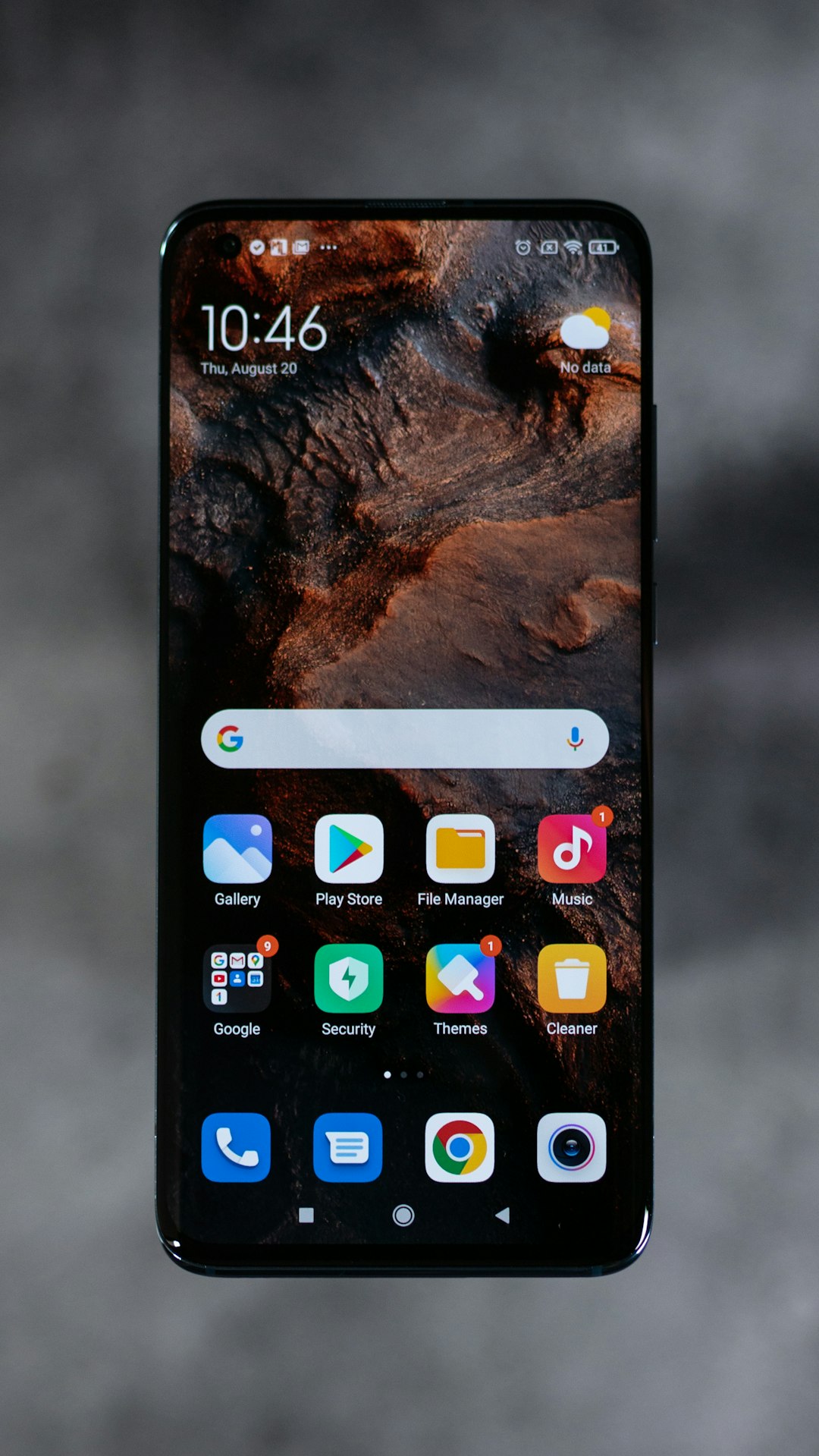
Many consumers hold misconceptions about how the Do Not Call laws in Michigan function, leading to a false sense of protection or misinformed strategies. This section aims to clarify these common myths, offering valuable insights into the practical application of Michigan’s Do Not Call Laws.
One prevalent myth is that registering for the National Do Not Call Registry automatically grants protection from telemarketing calls. While the Federal Trade Commission (FTC) maintains this registry, it only restricts calls from telemarketers who are required to comply with these laws. In Michigan, state-specific Do Not Call Laws provide additional protections. For instance, the Michigan Attorney General’s Office enforces the Michigan Telephone Consumer Protection Act, which prohibits unsolicited sales calls within 48 hours of a consumer’s request to stop receiving them. Thus, registering for the National Registry is just one step; understanding and utilizing Michigan’s specific laws is crucial for comprehensive protection.
Another common misbelief is that signing up for a service or product opt-in form guarantees you’ll no longer receive sales calls. Companies often use these forms as marketing tools, but they are not legally binding under Do Not Call Laws. To ensure compliance, consumers should clearly communicate their desire to stop all promotional calls through direct and documented requests sent to the company. Michigan’s laws empower individuals to take proactive measures; a simple “do not call” request may not be sufficient to prevent calls from persistent marketers.
To navigate this landscape effectively, consumers should educate themselves about their rights under Michigan’s Do Not Call Laws. The state’s Attorney General’s website offers detailed resources and guidelines for understanding and asserting these protections. By separating fact from fiction, individuals can make informed decisions, ensuring they are not only protected but also empowering them to take control of their communication preferences in today’s digital age.
Registering and Protecting Your Rights: Practical Steps

Registering for the Do Not Call list is a powerful step to protect your privacy and curb unwanted calls, but it’s not without its myths and misconceptions. In Michigan, where Do Not Call Laws are stringent, understanding how to effectively register and utilize these protections is paramount. One common belief is that signing up merely involves checking a box on a phone bill or website; however, this simplistic view overlooks the intricacies of modern call protection. The process requires active participation and a strategic approach.
Upon registering with the Michigan Do Not Call Registry, you’re not just blocking calls from telemarketers—it’s a legal right that can be enforced. But what many don’t realize is that it applies to more than just sales pitches. It includes calls from collection agencies, political organizations, and even some non-profit groups. This expansive coverage underscores the need for precise registration. Ensure your information is accurate and up-to-date to avoid any loopholes that could allow unwanted calls to slip through. For instance, a slight misspelling of your name or an outdated phone number can lead to missed protections.
Practical steps include regularly reviewing and updating your registration details. Many platforms offer automated reminders to confirm your preferences. Additionally, educating yourself about the laws is essential. Michigan Do Not Call Laws are enforced by the state attorney general’s office, which has the power to take action against violators. Understanding your rights empowers you to report suspicious calls and seek penalties for those who disregard the law. By staying informed and actively managing your registration, you can ensure a quieter, more peaceful communication environment.
About the Author
Dr. Emily Parker, a leading consumer protection advocate and renowned author, holds a Ph.D. in Communication Studies with a focus on regulatory policy. She is a certified Privacy and Data Protection Specialist, equipped with over 15 years of experience in navigating complex privacy laws. Emily is a contributing writer for Forbes, where she clarifies common myths about the Do Not Call list, empowering consumers to take control of their communication preferences. Her expertise extends to various professional networks, making her a trusted voice in data privacy advocacy.
Related Resources
Here are 5-7 authoritative related resources for an article about “Common myths about registering for the Do Not Call list clarified”:
- Federal Trade Commission (Government Portal) : [The FTC provides consumer protection guidance and regulations regarding the Do Not Call list.] – https://www.consumer.ftc.gov/
- National Do Not Call Registry (Official Website): [Official site offering detailed information and registration services for the national Do Not Call list.] – https://donotcall.donotcall.gov/
- Consumer Reports (Consumer Advocacy Organization) : [Provides independent research and consumer advice on various topics, including privacy and telephone scams.] – https://www.consumerreports.org/
- Privacy Rights Clearinghouse (Nonprofit Education Resource) : [Offers comprehensive guides and resources on privacy rights, including registration for the Do Not Call list.] – https://www.privacyrightsclearinghouse.org/
- Telecom Industry Association (Industry Leader) : [A trade association that provides insights and educational materials on telemarketing practices and consumer protections.] – https://tiaonline.org/
- University of Michigan Law School (Academic Study) : [Research on telecommunications law and policy, including relevant case studies and analysis.] – https://law.umich.edu/
- Better Business Bureau (Community Resource) : [Offers consumer tips and resources for reporting telemarketing frauds and scams, reinforcing legitimate Do Not Call list practices.] – https://www.bbb.org/