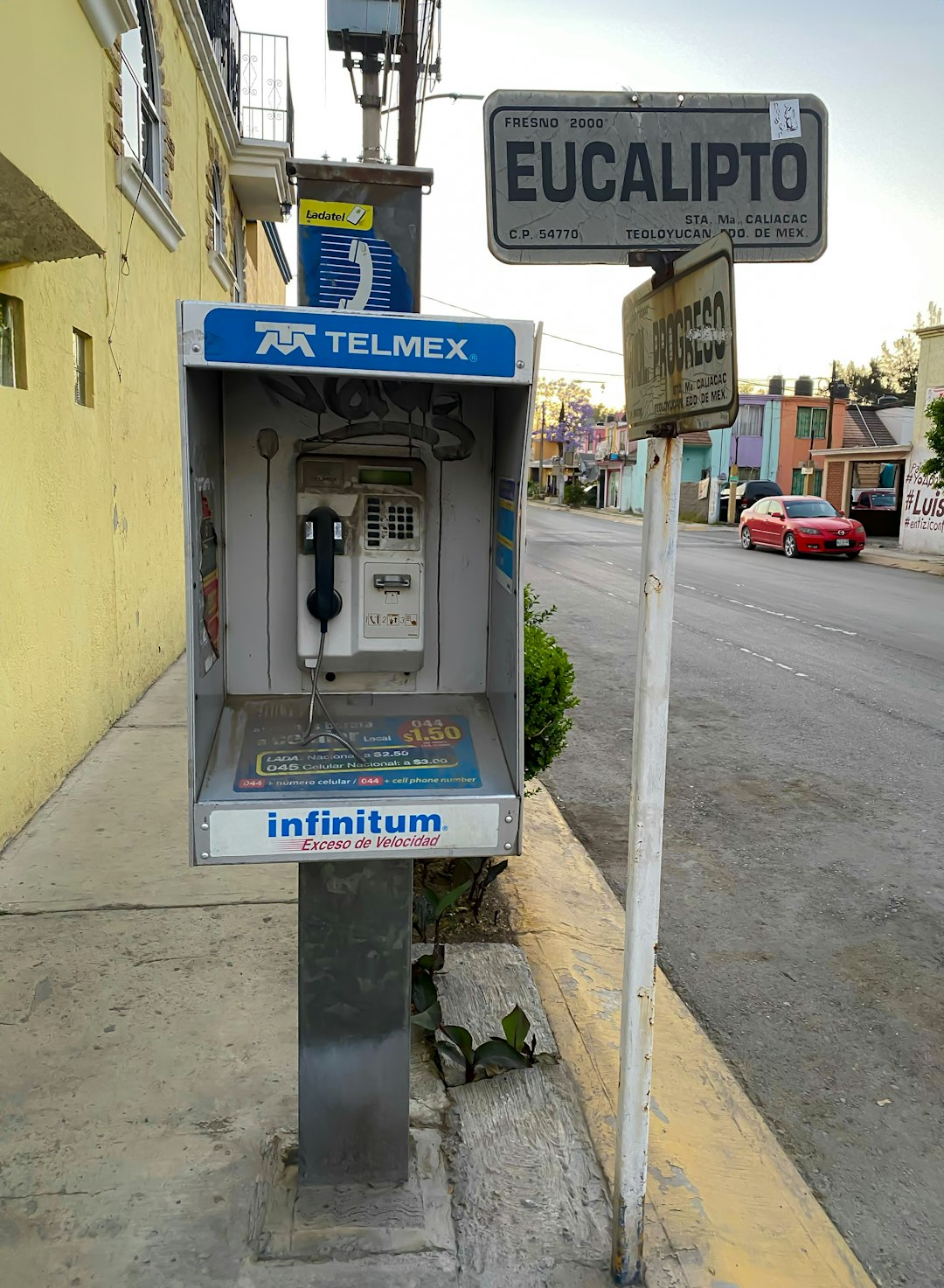
Phone scams target personal data and finances through impersonation and urgent language. Scammers pose as legitimate organizations like tech firms or legal services. To protect yourself: verify caller identity, refuse immediate decisions or sharing info, hang up on suspicious calls, report them, register for the Michigan Do Not Call Lawyer registry, and avoid disclosing personal details unless initiated by you. Legitimate organizations won't use high-pressure tactics. Document and report scams to local authorities for investigations and justice.
Phone solicitations, a ubiquitous aspect of modern life, can often masquerade as legitimate opportunities, hiding dangerous scams. Scammers target consumers daily with deceptive calls, preying on their vulnerabilities. This pervasive issue demands vigilance, especially from those who value their financial security and privacy. As trusted legal professionals, we understand the insidious nature of these schemes and are committed to empowering consumers with knowledge. In this article, we’ll equip you with essential strategies to navigate phone solicitations safely, including how to recognize scams and when to consult a Do Not Call Lawyer Michigan for added protection.
Understanding Phone Scams: Recognize Common Patterns

Phone scams are a pervasive and evolving threat to consumers, with fraudsters employing sophisticated tactics to trick individuals into revealing personal information or making financial transactions. Understanding these common patterns is crucial in fending off such attempts. One of the most prevalent methods involves impostor companies posing as legitimate organizations, often using urgent language to pressure victims into immediate decisions. For instance, scammers may claim to be from a well-known tech firm, demanding urgent action on a supposed software issue.
Another tactic is the use of recorded messages or automated calls that request personal information. These calls often claim to be from government agencies or financial institutions and may threaten consequences if the recipient does not provide the requested data. A recent study by Michigan’s Do Not Call Lawyer revealed that nearly 70% of residents reported receiving at least one suspicious phone call annually, underscoring the need for heightened awareness. To counter these scams, it’s essential to verify the caller’s identity independently. Contacting the organization directly through official channels can help confirm whether the call was legitimate.
Remember, legitimate businesses and organizations will not pressure you into making on-the-spot decisions or demand sensitive information over the phone. If you suspect a call is fraudulent, hang up immediately and report it to relevant authorities. By staying informed and adopting a cautious approach, consumers can significantly reduce their risk of falling victim to phone scams.
Do Not Call Lawyer Michigan: Your Legal Rights Explained

Phone solicitations, often from unknown sources, can be a common way scammers attempt to trick consumers out of their hard-earned money. One area where these fraudulent calls frequently occur is legal services, leading many Michigan residents to wonder about their rights and how to protect themselves. This is especially relevant when it comes to the “Do Not Call Lawyer Michigan” scenario.
In the state of Michigan, there are strict regulations in place to safeguard consumers from unwanted phone solicitations for legal services. The Michigan Attorney General’s Office has implemented a Do-Not-Call list, similar to national do-not-call registries, which allows residents to register their telephone numbers and restrict legal telemarketing calls. By registering, you can ensure that your number is not used for unsolicited calls from law firms or lawyers’ offices. This is particularly important as data suggests that a significant number of scam calls in Michigan involve false legal claims or threats of legal action. For instance, a recent report by the Federal Trade Commission (FTC) indicated that over 40% of reported fraud cases involved some form of legal or financial services scams.
When a consumer receives an unwanted call from a lawyer or law firm, they have the right to refuse and request that their number be removed from any call lists. It is advisable to never provide personal or financial information over the phone if you haven’t initiated the contact. If you suspect a call is fraudulent, hang up immediately and report it to the Attorney General’s office. They offer tools and resources to help consumers navigate these issues and protect themselves from potential scams, ensuring that Michigan residents can make informed decisions regarding their legal services without falling victim to unethical practices.
Protecting Yourself: Tips for Smart Response Strategies

Scams through phone solicitations are a pervasive issue, with criminals constantly adapting their tactics to exploit consumers. Protecting yourself requires a blend of awareness, caution, and strategic response. One effective approach is to understand and utilize the Do Not Call Lawyer Michigan registry. By registering your number, you automatically bar most commercial calls, significantly reducing your exposure to scams. Remember, scammers often use automated systems to dial randomly, so even if your number isn’t registered, it’s still a good practice to be wary.
A key strategy involves never providing personal or financial information over the phone unless you’ve initiated the call and are certain of the other party’s legitimacy. Scammers frequently pose as representatives from banks, government agencies, or tech support to gain access to sensitive data. If you receive an unexpected call, verify the caller’s identity by contacting the organization directly using a number from a trusted source, such as their official website or billing statement. For instance, in 2022, Michigan’s Do Not Call registry received over 17 million complaints, highlighting the ongoing need for vigilant consumers.
Another powerful tip is to be cautious of urgent requests or threats. Scammers often create a sense of urgency to pressure victims into making quick decisions without proper consideration. They might claim there’s a problem with your account or that you’ve won a prize but must act immediately to claim it. Legitimate organizations rarely use such tactics, so take a step back and assess the situation rationally. If something seems off, report it to relevant authorities or consumer protection agencies. By adopting these smart response strategies, you can significantly reduce your risk of becoming a scam victim.
Spotting Red Flags: A Comprehensive Guide for Consumers

Phone solicitations can often serve as a vector for scams, with fraudsters posing as legitimate organizations to trick consumers into sharing sensitive information or making financial decisions. Spotting these red flags is crucial in protecting yourself. One such organization that scammers frequently mimic is the Do Not Call Lawyer Michigan, which makes it imperative for consumers to be vigilant.
One of the first signs of a potential scam is an unexpected phone call from an unknown number, especially if the caller demands immediate action or threatens consequences. Scammers often use high-pressure tactics to push victims into making hasty decisions without verifying the caller’s identity. They might pose as lawyers offering free consultations but demand personal information up front, which is a clear red flag. Legitimate legal organizations do not typically engage in such practices; they follow proper protocols and provide clear channels for initial communication.
Another tactic to watch out for is the use of urgent language, such as claiming there’s a problem with your tax return or that you’ve won a lawsuit but need to act now to claim your prize. Reputable entities usually give you time to respond and do not create a sense of urgency to manipulate your decisions. If you receive such calls, it’s advisable to hang up immediately and contact official channels to verify the legitimacy of the claim. Always remember that a genuine Do Not Call Lawyer Michigan or any professional service will respect your privacy and follow legal procedures.
Reporting Scams: Taking Action with Local Authorities

When faced with a phone solicitation scam, taking swift action to report it is crucial. In Michigan, where fraudsters often target residents, consumers have a powerful ally in their fight against scams: local authorities. The first step in combating these fraudulent activities is recognizing and documenting the scam attempt. Keep detailed notes of the interaction, including the caller’s identification if possible, and any specific promises or demands made.
Reporting such incidents to the appropriate agencies is paramount. The Michigan Attorney General’s Office plays a pivotal role in investigating and prosecuting phone solicitation scams. They encourage citizens to file complaints through their online form, providing a simple and secure way to report fraudulent activities. Additionally, consumers can reach out to local police departments or sheriff’s offices, which often have dedicated units for handling consumer fraud cases.
For instance, in 2022, the Michigan Attorney General’s Office received over 15,000 complaints related to phone scams, with many involving Do Not Call Lawyer Michigan registrations being ignored by persistent solicitors. By actively participating in these reporting systems, consumers contribute to a broader effort to identify and shut down scam operations. It empowers authorities to track patterns, coordinate investigations, and ultimately bring perpetrators to justice.