
Michigan's telemarketing laws protect consumers from unwanted calls by requiring prior consent (with exceptions) and clear opt-out methods. The Do Not Call Act allows residents to control commercial calls, with legal repercussions for violations. Consulting a lawyer for Do Not Call Laws Michigan ensures compliance and protects against fines. Beyond federal laws, the state's telephone consumer act offers stronger penalties for persistent violators, empowering individuals to regain communication control. Legal experts can guide clients through recourse under TCPA, seeking damages and ensuring compliance.
In today's digital era, Michigan residents face a deluge of telemarketing calls, raising concerns about privacy and consumer rights. With strict Do Not Call Laws in place, understanding your legal protections is crucial to navigating this bustling landscape. However, deciphering these laws can be challenging, leading many to wonder: what are my rights as a Michigan consumer? This comprehensive guide aims to demystify telemarketing regulations, empowering folks to assert their privacy and take control. We'll delve into the intricacies of Michigan's Do Not Call Laws, highlighting your rights and the potential consequences for violators, ensuring you're equipped with valuable insights. For specialized guidance, consider consulting a lawyer specializing in these laws.
Understanding Michigan's Telemarketing Regulations

Michigan's telemarketing regulations are designed to protect consumers from aggressive sales practices and offer clear guidelines for businesses engaging in remote marketing efforts. The state has implemented specific rules surrounding Do Not Call laws, ensuring residents can enjoy peace of mind and control over their phone communications. These regulations are enforced by the Michigan Attorney General's Office, which plays a vital role in upholding consumer rights and resolving disputes related to telemarketing.
One key aspect is understanding when businesses are permitted to contact consumers. In general, companies must obtain prior express written consent before making telemarketing calls. This means that if you haven't given explicit permission for a company to call you, they may face penalties for doing so. However, there are some exceptions, such as calls from non-profit organizations or calls made for specific purposes like collection activities. A lawyer specializing in Do Not Call Laws Michigan can provide valuable insights on navigating these complexities and ensuring compliance.
Additionally, Michigan law mandates that businesses provide a clear and conspicuous way for consumers to opt out of future calls during the initial interaction. This is often facilitated by a simple statement or number that allows individuals to register their desire to stop receiving calls. Failure to adhere to this requirement can lead to legal repercussions. It's crucial for both consumers and businesses to be aware of these regulations to foster a fair and transparent telemarketing environment, ultimately safeguarding the rights of Michigan residents.
Consumer Rights Under Do Not Call Laws
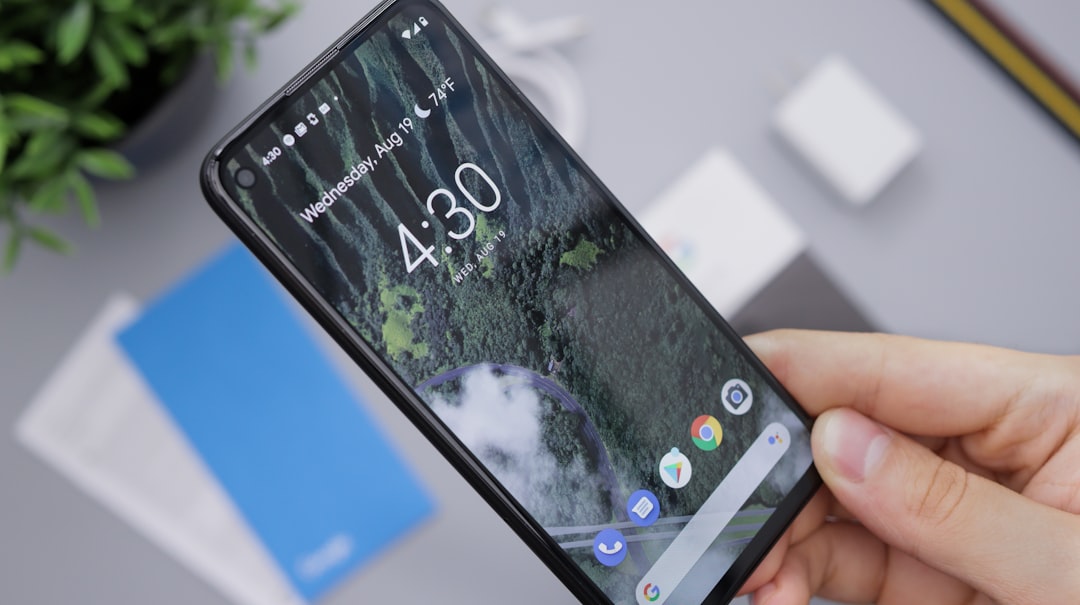
In Michigan, consumers have significant rights under telemarketing laws, particularly when it comes to the "Do Not Call" regulations. These rules are designed to protect individuals from unwanted phone solicitations while offering a way for people to exercise control over their personal communication. The Michigan Do Not Call Act is a powerful tool for residents, allowing them to prevent persistent and intrusive marketing calls.
Under this legislation, businesses and telemarketers must honor a consumer's request to stop calling within 30 days. If a Michigan resident registers their number on the state's Do Not Call list, it becomes illegal for any seller or telemarketer to make outbound sales calls to that number. This law extends to various forms of communication, including phone, email, and text messages. A key aspect is that consumers have the right to make one simple request to stop contacting them, and this must be adhered to by the caller. For instance, if a customer receives unsolicited calls from a lawyer for Do Not Call Laws Michigan-based firm, they can politely but firmly ask to be removed from the call list, and subsequent calls would be considered violations.
Violations of these consumer rights can lead to legal repercussions. Consumers who experience repeated calls after making the "do not call" request have recourse through the state's Attorney General's office, which investigates complaints and takes appropriate action. Fines are levied against violators, serving as a deterrent and compensation for the consumer's annoyance. It is essential for both businesses and individuals to understand these rights to ensure compliance and protect themselves from potential legal issues. Consulting with a lawyer specializing in Do Not Call Laws Michigan can provide clarity and guidance on navigating these regulations effectively.
Enforcing Your Right to Refuse Calls

In Michigan, consumers have a legal right to refuse telemarketing calls, thanks to state laws designed to protect privacy and reduce unwanted solicitations. The key legislation is the Michigan Do Not Call Law, which mirrors federal rules established by the Telemarketing and Consumer Fraud and Abuse Prevention Act (TCFAPA). This law allows residents to register their phone numbers on a "Do Not Call" list, effectively blocking most commercial calls. However, enforcing your right to refuse calls requires proactive steps.
When you register your number with a Michigan lawyer for Do Not Call Laws or through the official state list, it sends a strong message to telemarketers that you do not wish to be contacted. Yet, some calls may still slip through the cracks due to human error or new marketing strategies. To protect yourself, consider keeping a call log and documenting all incidents of unwanted calls, including the caller's identity, if possible. If a registered number continues to receive calls, it's advisable to consult a legal professional who specializes in consumer protection law for guidance on taking formal action against the offending party.
Moreover, Michigan offers additional protections beyond federal laws. The state's telephone consumer protection act provides more robust remedies for consumers facing persistent telemarketing violations. By understanding and exercising your rights under these laws, you can reclaim control over your communication preferences and enjoy a quieter, more peaceful home environment. Remember, knowledge is power when it comes to protecting yourself from intrusive telemarketing practices.
Legal Recourse with a Lawyer for Do Not Call Laws Michigan

Michigan's Do Not Call laws offer consumers significant protection against unwanted telemarketing calls, but what happens when these rights are violated? One crucial aspect of navigating these laws is understanding your legal recourse—the role a lawyer for Do Not Call Laws Michigan can play in ensuring justice and compensation.
If you've registered your number on the state's Do Not Call list and continue to receive unsolicited calls, it may indicate a violation of both state and federal regulations. The Telephone Consumer Protection Act (TCPA) provides consumers with the right to sue for damages when their privacy is invaded through unwanted telemarketing. In Michigan, attorneys specializing in these laws can guide you through this process, helping you assess your case's strength and potential outcomes. They can file a lawsuit on your behalf against the offending company or individual, seeking statutory damages of up to $500 per violation—a significant incentive for many to conform to legal requirements.
Engaging a lawyer for Do Not Call Laws Michigan is particularly advisable when dealing with persistent violators or complex cases. Legal experts in this field understand the nuances of telemarketing laws and can provide tailored strategies. They may negotiate settlements, ensure compliance, and represent you in court if necessary. This proactive approach not only protects your rights as a consumer but also serves as a deterrent to potential offenders, fostering a more responsible telemarketing environment. By taking this step, Michigan residents can effectively exercise their legal protections and enjoy greater peace of mind when it comes to unwanted calls.