
Michigan residents can register their phone numbers on the state's Do Not Call list to limit unwanted solicitation from businesses and political organizations. Over 1.5 million have signed up, protecting both landline and smartphone users. Despite the National Do Not Call List's limitations, consumers should register through official channels, keep contact info private, and consult Do Not Call Lawyers Michigan for persistent issues.
In today's fast-paced world, with countless marketing calls flooding our phones daily, the Do Not Call list has become a vital tool for Michigan residents seeking privacy and peace of mind. However, numerous myths surround this powerful resource, leaving many unsure of its effectiveness and proper usage. Common misconceptions can deter individuals from protecting their rights, leading to unwanted harassment. This article aims to dispel these myths once and for all, offering clear guidance on how the Do Not Call list functions and empowering Michigan residents to take control with the help of Do Not Call Lawyers Michigan, ensuring a quieter, more secure future.
Understanding Eligibility for Michigan's Do Not Call List

Understanding Eligibility for Michigan's Do Not Call List
In Michigan, residents who wish to curb unwanted phone calls can register their numbers on the state's Do Not Call list. However, there are common myths that surround this process, leading many to believe they are ineligible or that the list doesn't offer meaningful protection. It's crucial to dispel these misconceptions and provide clarity.
The Do Not Call list in Michigan is open to all residents who possess a valid telephone number. This includes both landlines and cell phones. One of the most persistent myths is that only those who receive a high volume of telemarketing calls can register. In reality, anyone who wants to prevent unsolicited calls from businesses or political organizations can sign up. For instance, a Michigan resident receiving occasional sales calls or even spam messages from unknown numbers can take advantage of this free service.
Moreover, Do Not Call lawyers Michigan emphasize that eligibility is not determined by the type of phone you use. Whether you're a traditional landline user or primarily rely on your smartphone, your number is protected once registered. This applies regardless of whether you've received calls from local or out-of-state companies. According to recent data, over 1.5 million Michigan residents have signed up for the Do Not Call list, demonstrating its widespread use and effectiveness in reducing unwanted phone solicitation.
To register, residents should visit the official Michigan Do Not Call website and follow the simple steps. It's essential to provide accurate information to ensure your number is added effectively. Additionally, while the list offers substantial protection, there are exceptions, such as calls from known contacts or certain non-commercial organizations. Do Not Call lawyers Michigan advise that understanding these limitations can help users make informed choices regarding their privacy and communication preferences.
Debunking Common Misconceptions About Listing Your Number
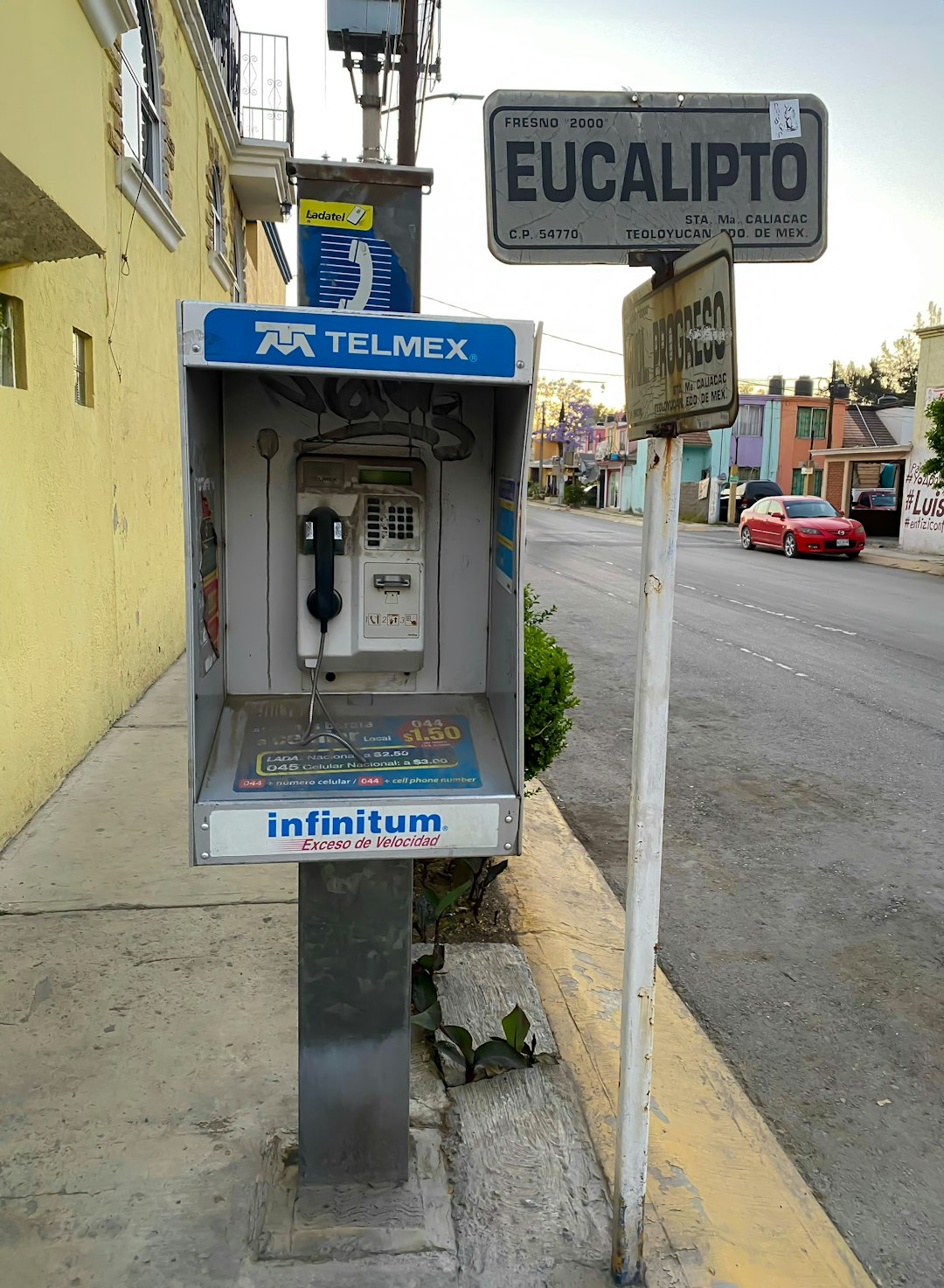
Many consumers believe registering their phone number on the National Do Not Call List (NDNCL) offers ironclad protection against unwanted telemarketing calls. However, this common misconception often leads to confusion and frustration when individuals still receive calls from persistant marketers. It's crucial to understand that while the NDNCL is a significant tool, it has limitations. The list, maintained by the Federal Trade Commission (FTC), bans telemarketers from calling numbers listed on it for marketing purposes. However, it doesn't protect against calls from non-telemarketer entities, such as debt collectors, surveyors, or charities. Furthermore, businesses can legally call numbers on the list if the caller has an established business relationship with the recipient or if they have purchased the number from a legitimate source that isn't involved in telemarketing.
Another myth is that listing your number ensures complete silence from sales representatives. In reality, Do Not Call Lawyers Michigan emphasize that the NDNCL is just one layer of protection. Even if you're on the list, you may still receive calls from companies with which you have an existing relationship, such as banks or credit card issuers, or from non-profit organizations. Moreover, some states, including Michigan, have their own Do Not Call lists that operate independently of the federal registry, adding another layer of complexity.
To ensure maximum protection, consumers should take proactive measures. Reviewing your rights and understanding the nuances of the NDNCL is essential. Consider registering through official channels like the FTC's website to ensure accuracy. Additionally, keeping your contact information private on forms and avoiding providing it unless absolutely necessary can significantly reduce unwanted calls. For persistent issues, consulting with Do Not Call Lawyers Michigan can offer tailored advice and legal recourse against violators.
Protecting Your Rights: A Guide to Do Not Call Lawyers Michigan

Many consumers are unaware of their rights when it comes to protecting themselves from unwanted phone calls. One common misconception is that registering for the National Do Not Call Registry automatically stops all telemarketing calls, but this is not entirely true. The registry only restricts calls from businesses with which you have not established a prior relationship; it does not include non-profit organizations, political campaigns, or messages regarding debt collection. In Michigan, Do Not Call Lawyers play a crucial role in educating residents about these nuances and helping them navigate their legal rights effectively.
To better understand the complexities, consider this: A recent study by the Federal Trade Commission (FTC) revealed that despite the National Do Not Call Registry's efforts, over 20% of consumers still receive unwanted calls daily. This statistic highlights a critical gap in consumer protection and underscores the importance of professional guidance from Do Not Call Lawyers Michigan. These attorneys specialize in helping individuals and businesses understand and comply with state and federal regulations related to telemarketing practices. They can provide tailored advice, ensuring that your rights are respected while offering strategies to mitigate unwanted calls.
For instance, a client may believe they have registered correctly but still receives persistent calls from a particular company. Do Not Call Lawyers Michigan would investigate the matter, reviewing the client's records and communication history. If found guilty of violating the client's rights, the attorney can take legal action, which may include sending cease-and-desist letters or filing complaints with regulatory bodies. Furthermore, these lawyers stay updated on legislative changes, ensuring their clients remain shielded from evolving telemarketing tactics. By empowering individuals with knowledge and legal recourse, Do Not Call Lawyers Michigan contribute to a quieter, more peaceful environment for all residents.